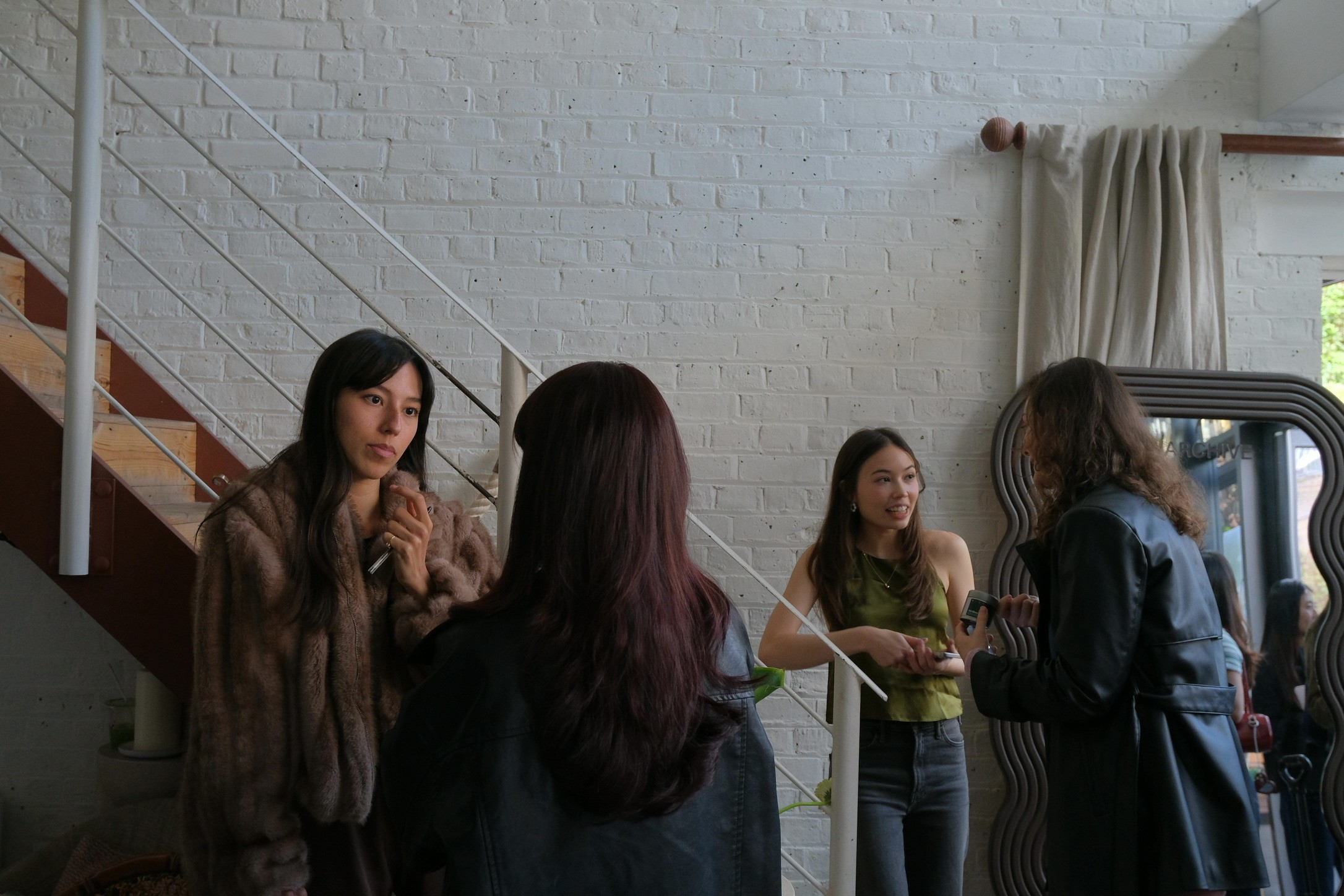
Designing for Belonging
This belief is the foundation of my people- and community-first approach to event planning. It isn’t built through grand gestures alone, but through repeated moments of togetherness. Intentional planning, for me, begins with a simple but powerful question: How do I want people to feel when they leave?
When people feel at home
Not every gathering needs to be big. Or overproduced. Or backed by the biggest sponsors. The most impactful experiences are intentional and designed for participation, not performance.
When people are invited to interact — not just observe — they feel part of something, not marketed to. That sense of involvement is what transforms audiences into communities.
Community doesn’t come from size. It comes from feeling seen. Even large-scale activations should feel human. People won’t remember how many guests were there — they’ll remember how they felt in the room.
What This Might Look Like in Practice
Fashion shows: Rethinking traditional seating layouts. Moving away from rigid rows toward more fluid walkways and arrangements that encourage eye contact and interaction.
Dinners & supper clubs: Family-style food instead of individual plates. Smaller tables within larger spaces to preserve intimacy while still allowing for scale.
When the room comes alive
Structure matters. Every event should have a clear flow — from the moment guests enter, to who they meet, what they experience, and how the gathering comes to a close.
But structure should never suffocate spontaneity and over-programming kills connection.
The most meaningful moments often happen between agenda items. In lingering conversations. In unplanned laughter. In moments of chaos and quiet. The best events feel guided, not staged — where you hold the space for the unscripted and when you set the tone, but allow people to make it their own.
I think a lot about how space evokes pace. How the way a room is designed can encourage people to slow down, sit, connect, and stay just a little longer than planned. I design spaces where overlapping conversations are welcome, where laughter fills the room, and where guests don’t feel pressured to be “on.”
Lingering a little longer
The real value and success come from what happens after:
How do guests stay connected to each other?
How does this experience deepen their relationship with the brand?
Would they come back without needing an incentive?
Your brand activation isn’t the end goal, but a chapter in a longer story. When people feel like they belong, they’ll feel comfortable returning, bringing friends, and talking about the experience organically. This is how customers become culture carriers — and why community is a brand’s most powerful long-term asset.