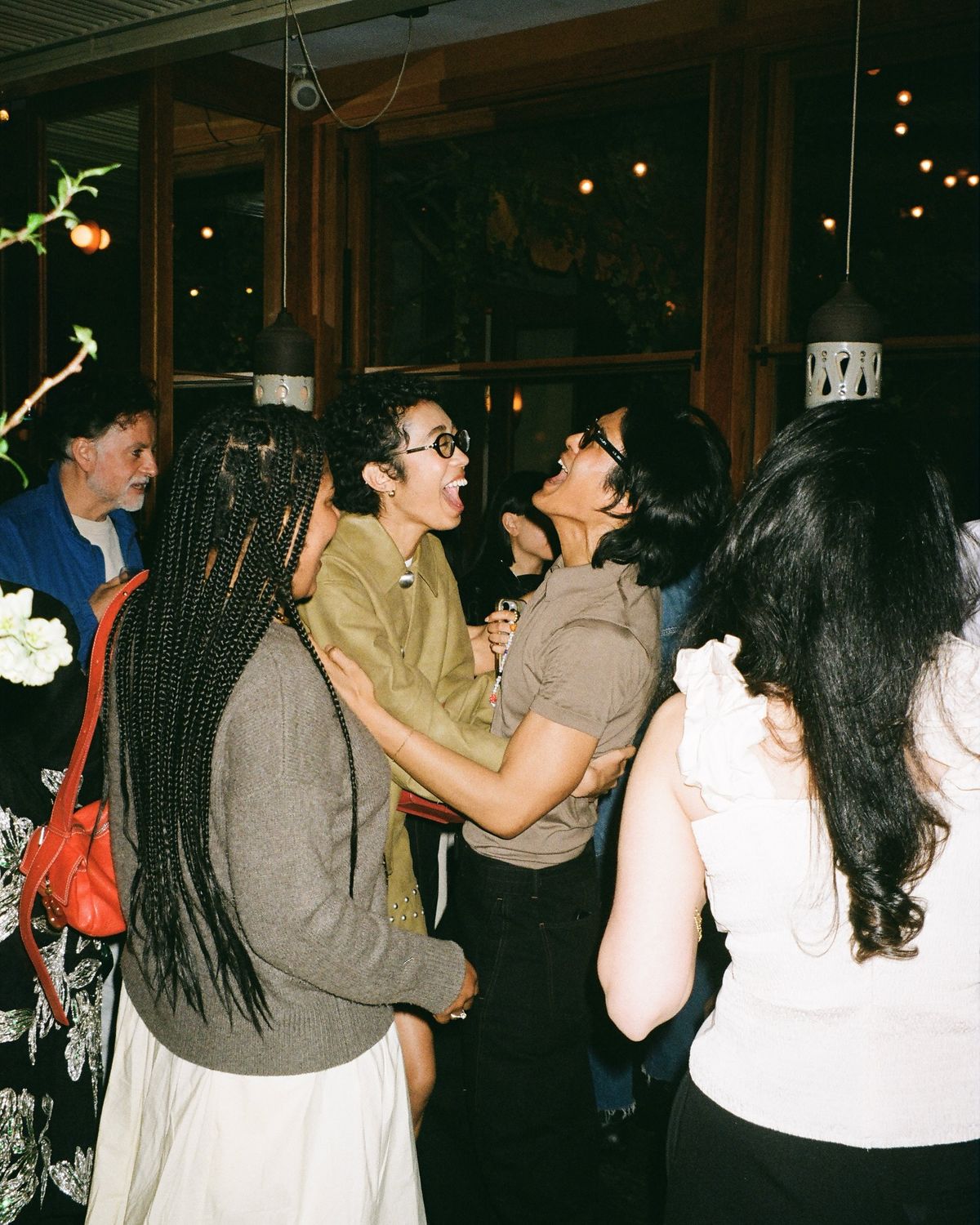
How to Beg Your Guests to Leave Your Event
(With love, of course.)
I’m saying this with the most genuine and best intentions: I love my friends. Deeply. But anyone who knows me well enough also knows I have a bedtime.
There is a very specific moment where I fall from grace from my hostess with the mostess status. I’m not even shy about it anymore. There have been multiple occasions where I’ve let my friends carry on partying while I quietly disappear into my bedroom for a strategic nap. But this is the price you pay when you build a reputation as someone who throws good parties.
And I do. I’ve thrown supper clubs, dinner parties, themed birthdays that roll into nights out, house parties that somehow end with karaoke in the living room at 1am. Small-scale, yes—mostly friends, mostly familiar faces—but practice makes perfect.
Which brings me to the bigger question:
how do you take these lived-in hosting instincts and translate them into larger-scale events—for communities, for brands, for unfamiliar faces
Before we get there, let’s talk about the real problem.
People don’t stress about hosting because they hate their guests. They stress because they are constantly worrying whether everyone is having a good time. I mus admit I’m very much guilty of this to the point where my own enjoyment of a party is directly proportional to how much fun everyone else appears to be having.
So the secret—whether you’re hosting eight friends or eighty strangers—is to set yourself up for success.Here’s what’s always worked for me.
1. Factor in time for people to settle at the start
Not everyone arrives ready to vibe: some people need a little liquid courage, a plate to hold in their hands so its not left empty, and others stand awkwardly pretending to check their phone until someone familiar walks in.
Build that grace period in to allow your guests to settle into easy conversation starters, with no “main event moment” too early. Let people land before you expect them to lift off.
2. Food is fuel (not just a nice touch)
Food isn’t just hospitality—it’s stamina. People stay longer, with more energy, and drink smarter when they’re fed properly. It doesn’t need to be complicated, but it does need to be intentional. Think of it as emotional scaffolding for the night ahead.
3. Use your playlist as a subtle instruction manual
Music is your strongest, quietest form of crowd control. The early evenings o begin with light, chatty music with the tempo increasing as the night goes on until the wind down where we begin to hear the fading of music unmistakably heading home. You don’t need to announce last orders, the playlist should do that for you.
4. Design a flow—even if it looks effortless
Yes, parties should feel free and easy. But the reason hosting feels stressful is because you’re holding the invisible structure in your head the entire time. So make it easier for yourself.Think about who’s coming and their vibes; can you introduce small “triggers” throughout the night—a toast, a game, a shared moment—that reset the energy without forcing it and easing the flow?
5. You set the tone (whether you like it or not)
Your energy is contagious. If you’re relaxed, people relax. If you’re frantic, they feel it. Create “remember when” moments naturally. Add personal touches that make the night feel considered, so those ‘’remember when’’ moments happen naturally. The goal isn’t perfection—it’s presence.